Photo credit: Ady Manory.
Submitted by Jewish Cemeteries of Greater Cincinnati
Your grandfather’s delicate tallis tucked carefully into a drawer. A siddur worn from years of use, its binding cracked and pages coming loose. The coffee- and grape juice-stained Maxwell House Haggadah from childhood Seders at the end of the long table in Bubbe and Zeyde’s small dining room, long ago replaced by newer editions but still difficult to part with.
Or maybe it’s a folder filled with photocopied pages from the Rabbi’s Tikkun and siddur, remnants of the months your son spent learning to chant Torah. Stickers still track the minutes, hours and months of practice leading up to his bar mitzvah.
Many of us have Jewish objects like these in our homes. We may no longer use them but throwing them away feels wrong. Giving them away may not make sense either. So, we hold onto them, tucked into drawers, boxes, closets and bookshelves.
On October 11, from 2:00–3:00 p.m., Jewish Cemeteries of Greater Cincinnati will offer another possibility.
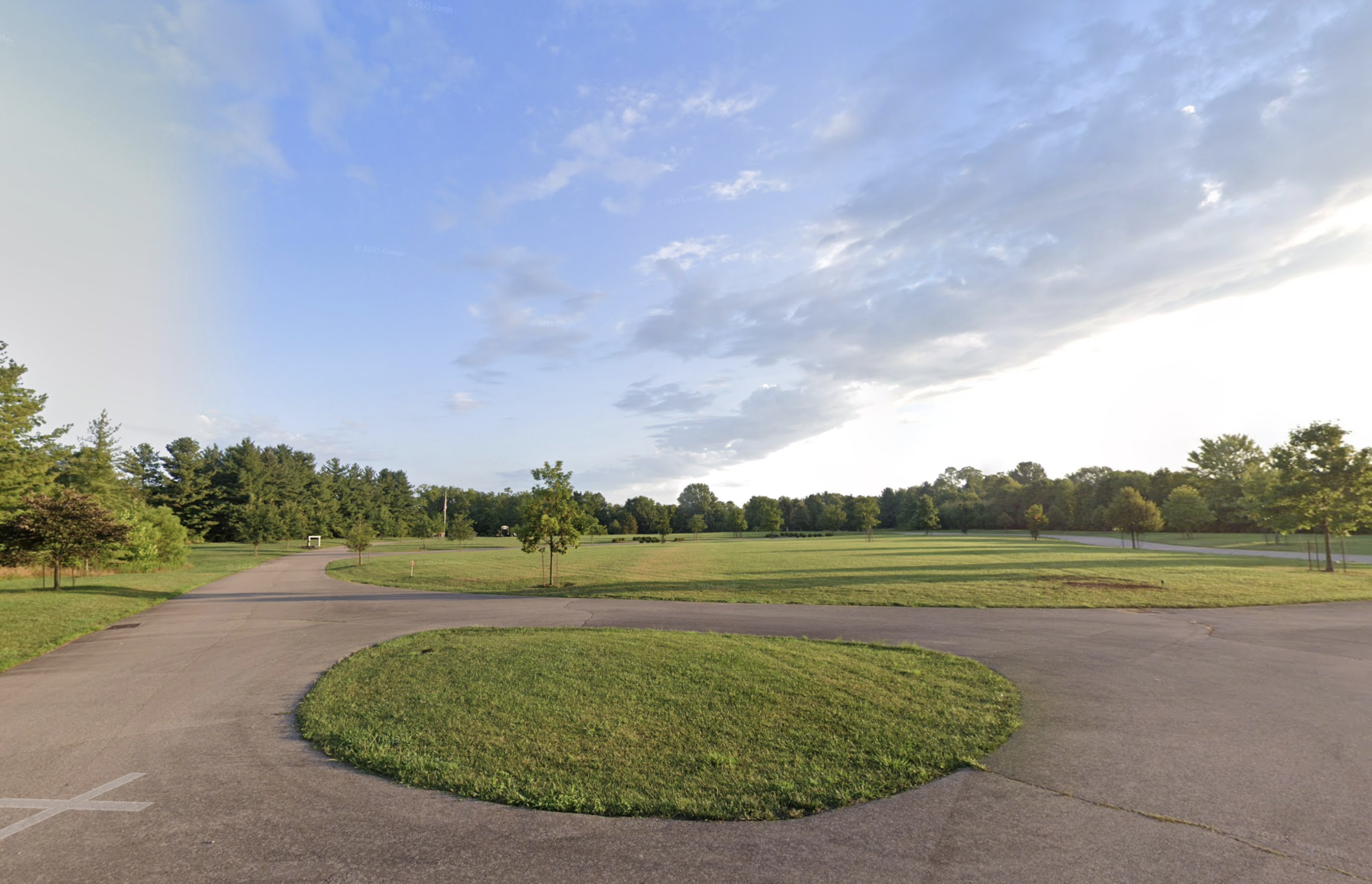
Community members are invited to bring sacred texts and materials that are no longer usable to the new Loveland Cemetery, 712 Loveland-Miamiville Road, to be placed in the community genizah, a designated place where sacred Jewish texts and materials are gathered for respectful burial.
The practice reflects a beautiful Jewish idea: something does not have to remain useful to remain sacred.
Jewish tradition calls us to treat sacred texts and ritual objects with reverence even when they can no longer be used. Rather than simply throwing them away, items containing God’s name, or objects made sacred through religious use, are set aside for respectful burial.
These may include worn Torah study books, siddurim, Haggados, tallises, tefillin, mezuzahs containing their scrolls and other sacred materials.
But knowing what to do with these objects does not necessarily make it easy to let them go.
Often, what we are holding onto is more than an object. A worn tallis may bring back the memory of the person who wore it. An old siddur may remind us of the synagogue where we grew up. A Haggadah can call to mind years of family Seders and the people who once sat around the table. Even old b’nai mitzvah materials can hold memories of an important moment in our family’s story.
We hope to pass meaningful objects from one generation to the next, and sometimes we can. But not everything can or will be passed along. Over time, treasured Jewish belongings may be packed into boxes and stored away. Children grow up and move into homes of their own. Houses are downsized, basements are cleared, and boxes that have gone untouched for years are finally opened. We are left to decide what to keep, what to pass along and what we are ready to let go. After someone dies, family members may not recognize what is sacred or know how it should be handled.
Genizah offers another way to think about letting go.
There is a meaningful parallel between the care Judaism provides for a person after death and the care it gives to sacred texts that can no longer be used. In each case, what has been sacred is not treated as disposable. It is returned to the earth with dignity.
That does not mean its meaning is buried with it.
The wear on an old siddur tells us that it was opened again and again, perhaps at the daily minyan your father attended for years. A frayed tallis tells us that someone wrapped themselves in it every Shabbos. Perhaps it was even used to cover the chuppah at your wedding. Their worn edges are not simply signs of age; they reflect the life that happened around them.
Perhaps that is one of the quiet gifts of genizah. It reminds us that letting go of an object does not mean letting go of what it represents. We can allow the physical object to rest while carrying forward the person, prayer, tradition or memory connected to it.
Jewish Cemeteries of Greater Cincinnati invites you to join us on October 11. Take a look through those drawers, bookshelves and boxes and consider what you are ready to let go. Bring sacred Jewish materials that are no longer being used to the Loveland Cemetery and join us in giving them a respectful resting place.
Sometimes letting go is not an act of forgetting. It is a final act of respect, honoring the life an object has had and the memories and moments it helped create.