Photo courtesy: The Jewish Federation of Cincinnati.
Submitted by The Jewish Federation of Cincinnati
Three years after the Oct. 7, 2023, attacks on Israel, many American Jews remain concerned about antisemitism and have become more cautious about displaying their Jewish identity in public. At the same time, national research shows that heightened engagement with Jewish life has persisted, with more people seeking connections through community, friendships and education.
According to the American Jewish Committee’s State of Antisemitism in America 2025 report, 55% of American Jews avoided at least one behavior during the previous 12 months out of fear of antisemitism. Forty-one percent avoided publicly wearing or displaying items that might identify them as Jewish, 39% avoided posting identifiable content online, and 30% avoided certain places, events or situations out of concern for their safety or comfort.
Two-thirds, or 66%, said Jews in the United States were less secure in 2025 than they had been a year earlier.
Yet a separate national survey suggests that concerns about antisemitism have not prevented many Jews from becoming more involved in Jewish life.
Jewish Federations of North America’s third survey of Jewish life since Oct. 7, conducted in May 2026 among 2,836 Jewish Americans, found that 38% met its definition of the “Surge” in Jewish engagement. That figure rose from 31% in 2025, reversing a decline recorded the previous year.
The survey defines the Surge as increased engagement in social, educational or communal Jewish life that has continued or been sustained since the attacks. Examples include building relationships with other Jews, learning more about Israel or Jewish life, and participating more in synagogue or other Jewish organizational activities.
The findings also reveal a distinction between feeling safe in public and feeling comfortable expressing Jewish identity. Eighty-four percent of respondents said they felt safe in public locally, while 63% said they were comfortable showing their Jewish identity there.
In Cincinnati, the Jewish Federation of Cincinnati reports continued interest in community programs, including from people finding their way into Jewish life for the first time.
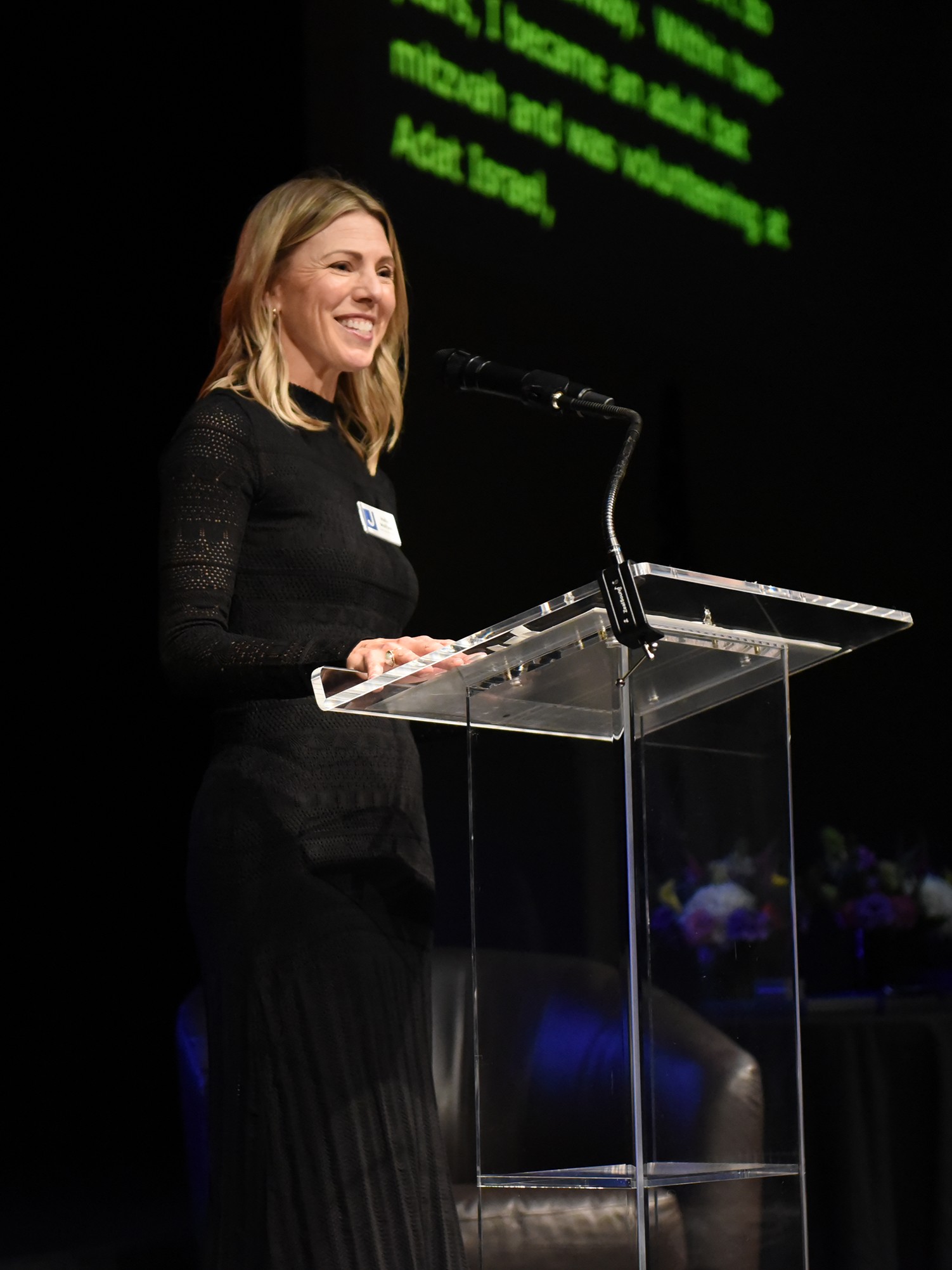
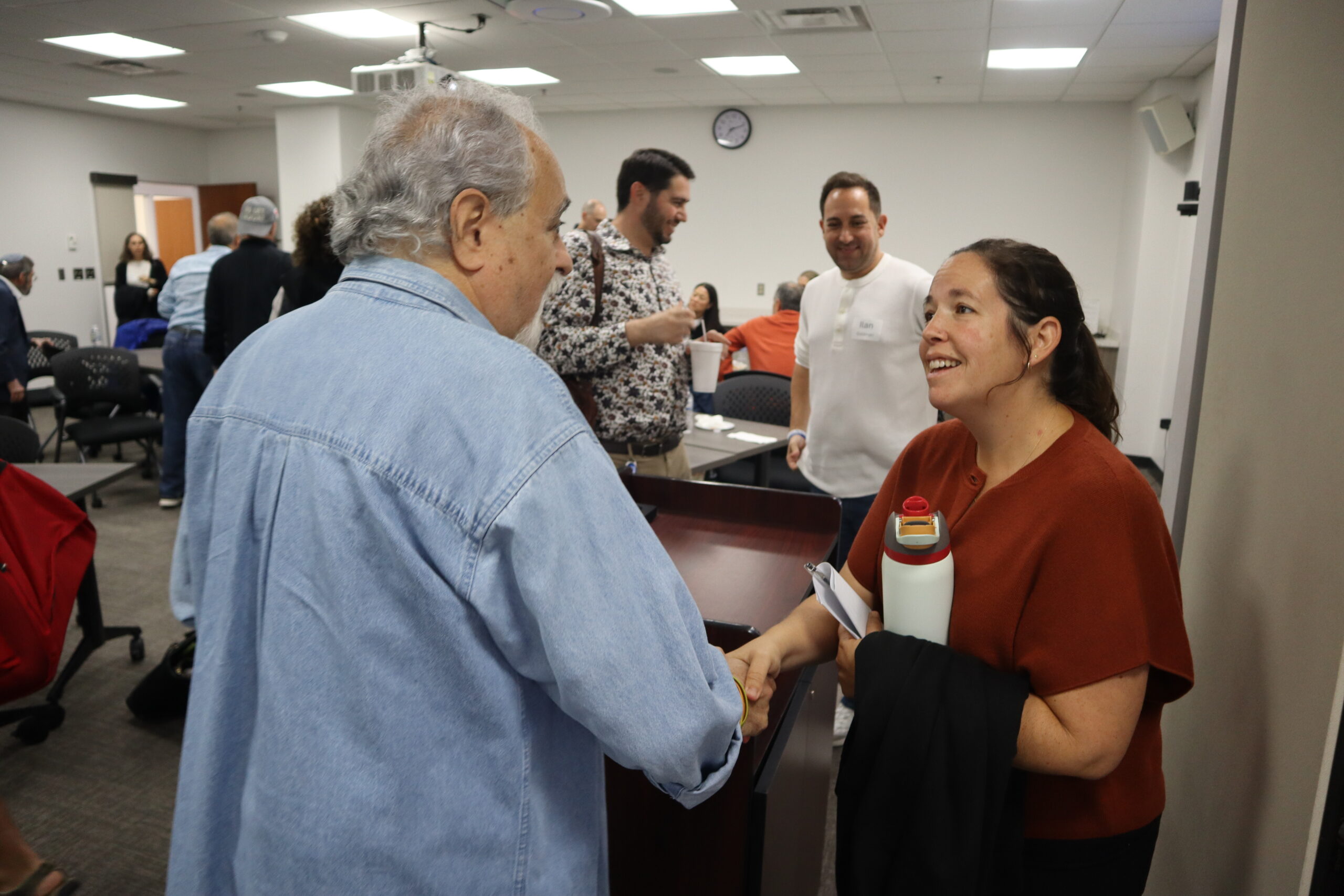
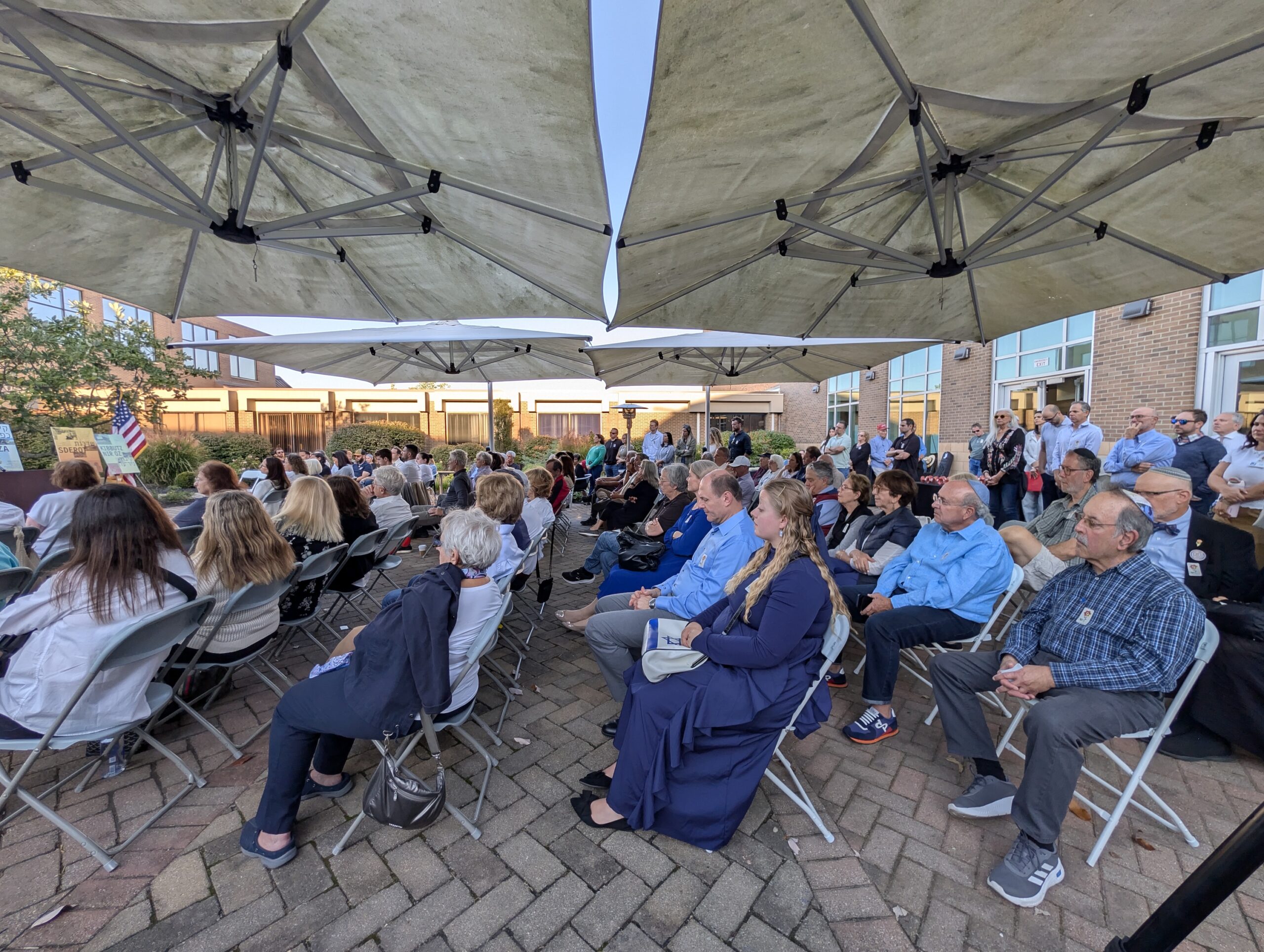
At recent Federation programs, staff members have set out additional chairs and opened partitions to accommodate attendees, according to Danielle V. Minson, the organization’s CEO.
“What we’re seeing in Cincinnati is people who feel they have to be careful about being visibly Jewish out in the world, while seeking out Jewish community where they don’t have to start by explaining why being Jewish matters to them,” Minson said.
“Sometimes that literally means pulling out more chairs and opening the room. What brings people back is feeling known, welcomed, and wanted. Our job is to make room for every person who walks in.”
For Brett Sugerman, who moved to Cincinnati in September 2024 knowing almost no one, personal relationships helped turn a new city into a community.
“As I met friends of friends, my community widened, and through seeing familiar faces and names, I started to feel a sense of belonging,” Sugerman said.
Now a new mother, Sugerman participates in the Federation’s LEAD leadership cohort. She hopes her son will grow up feeling at home in the Jewish community.
“Now, I want the Jewish community to be a place where my son feels like he belongs and is at home, a place that brings him a sense of joy and curiosity and understanding,” she said.
The Federation’s efforts to strengthen those connections are part of Cincinnati 2030 Refocused, the community’s strategic plan, which prioritizes Jewish engagement among young families, teens and adults at significant points in their lives.
National findings offer some insight into what helps sustain that involvement. In JFNA’s 2026 survey, informal social settings, including Shabbat dinners with friends, were the most frequently cited factors in increased engagement among respondents who answered open-ended questions about their experiences. Repeated participation and welcoming personal connections also emerged as important factors.
The research suggests that programs and institutions can introduce people to Jewish life, while friendships and welcoming peers can help them feel that they belong. It also identified political tensions surrounding Israel and antisemitism as a barrier for some respondents.
The question of belonging extends beyond Jewish institutions. The Federation’s Cohen Family Leaders in Light Institute brings together civic, religious, educational and business leaders from across Cincinnati to build relationships and encourage conversations across differences.
“Our non-Jewish neighbors have a major role here, too,” Minson said. “We may not always agree, but individual conversations matter. When Jewish Cincinnatians know the people around them would stand with them, they don’t have to choose between being careful and being themselves.”