Courtesy of JNS. Photo credit: The Foreign, Commonwealth and Development Affairs Office of the United Kingdom
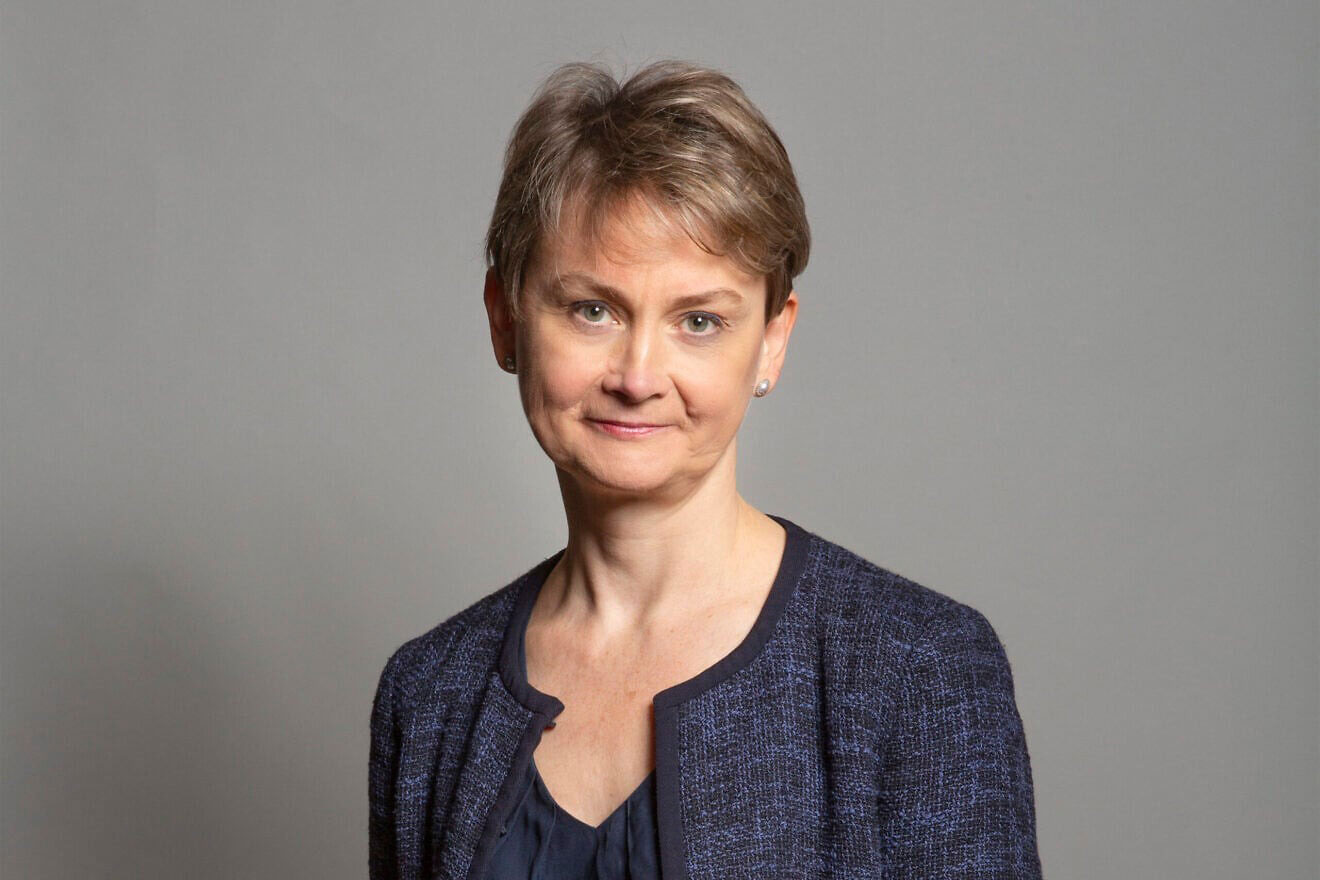
Yvette Cooper
(JNS) — The United Kingdom’s foreign secretary announced on Dec. 9 plans to host what he called a “peacebuilding conference” in London in March that would bring together Israeli and Arab “civil society leaders” to “help establish an International Peace Fund for Israel and Palestine.”
The March 12 meeting at at Lancaster House, a mansion on The Mall in the St James’s district in the City of Westminster, will “bring together civil society leaders from across the region and delivers on the Prime Minister’s pledge to host the event and set up a fund which can provide the long-term finance that is required for peacebuilding efforts to deliver genuine change,” according to the statement .
The conference aims to seize a “critical opportunity to achieve lasting peace and security in the Middle East” following October’s U.S.-led ceasefire agreement, the statement continued.
It went on to note that, “All living hostages have since been released and the U.K. continues to push for the remaining deceased hostage to be returned.” More aid is getting into Gaza, “but much more needs to be done and the U.K. is pressing for all restrictions to be lifted so that humanitarian supplies can be delivered at the pace and volume required, especially with winter drawing in,” it continued.
After two years “of the most horrendous suffering, the U.S.-led ceasefire agreement has now been in place for two months,” said Foreign Secretary Yvette Cooper, “but it remains highly fragile, and there is still a long journey ahead to implement the 20-point plan endorsed by the United Nations, and achieve a just and lasting peace.”
The conference will bring together “Palestinian and Israeli civil society to build common ground between their communities, challenge entrenched divisions, and work towards a future where both states can live side-by-side in peace and security,” she added.
Cooper noted the United Kingdom’s “experience of the reconciliation process in Northern Ireland” and “ongoing support for peacebuilding in Western Balkans,” making it “well placed to host and facilitate these talks.”
The United Kingdom under Labour Prime Minister Keir Starmer has had a tense relationship with Israel, especially in the aftermath of the Oct. 7, 2023, Hamas-led invasion of southern Israel, and the regional conflict it triggered.
In September, Israeli Prime Minister Benjamin Netanyahu harshly criticized the British government’s recognition of Palestinian statehood, which Starmer’s government announced along with Canada and France. Netanyahu called it a “prize for terror.”
The United Kingdom imposed a partial arms embargo on Israel in September 2024, and David Lammy, Cooper’s predecessor, made harsh statements about the Jewish state. These included statements that he was “appalled” and “sickened” by what he called the “grotesque” targeting by Israel of Palestinians seeking food, and threatening further sanctions if the war did not end soon.
His condemnations followed several incidents in which Palestinian sources said civilians were killed near food distribution centers, including in Rafah and the Dir-al-Balah areas in the Gaza Strip. The Israel Defense Forces denied targeting civilians, saying hostiles opened fire on its forces, possibly in order to instigate an incident with civilian casualties.
In October, Netanyahu appeared to suggest that the murder of two Jews at a Manchester synagogue on Yom Kippur was tied to what he called “weakness” on the part of the British authorities.
“Weakness in the face of terrorism only brings more terrorism. Only strength and unity can defeat it,” Netanyahu said of the attack.