Courtesy of JTA. Photo credit: Michael A. McCoy/Getty Images
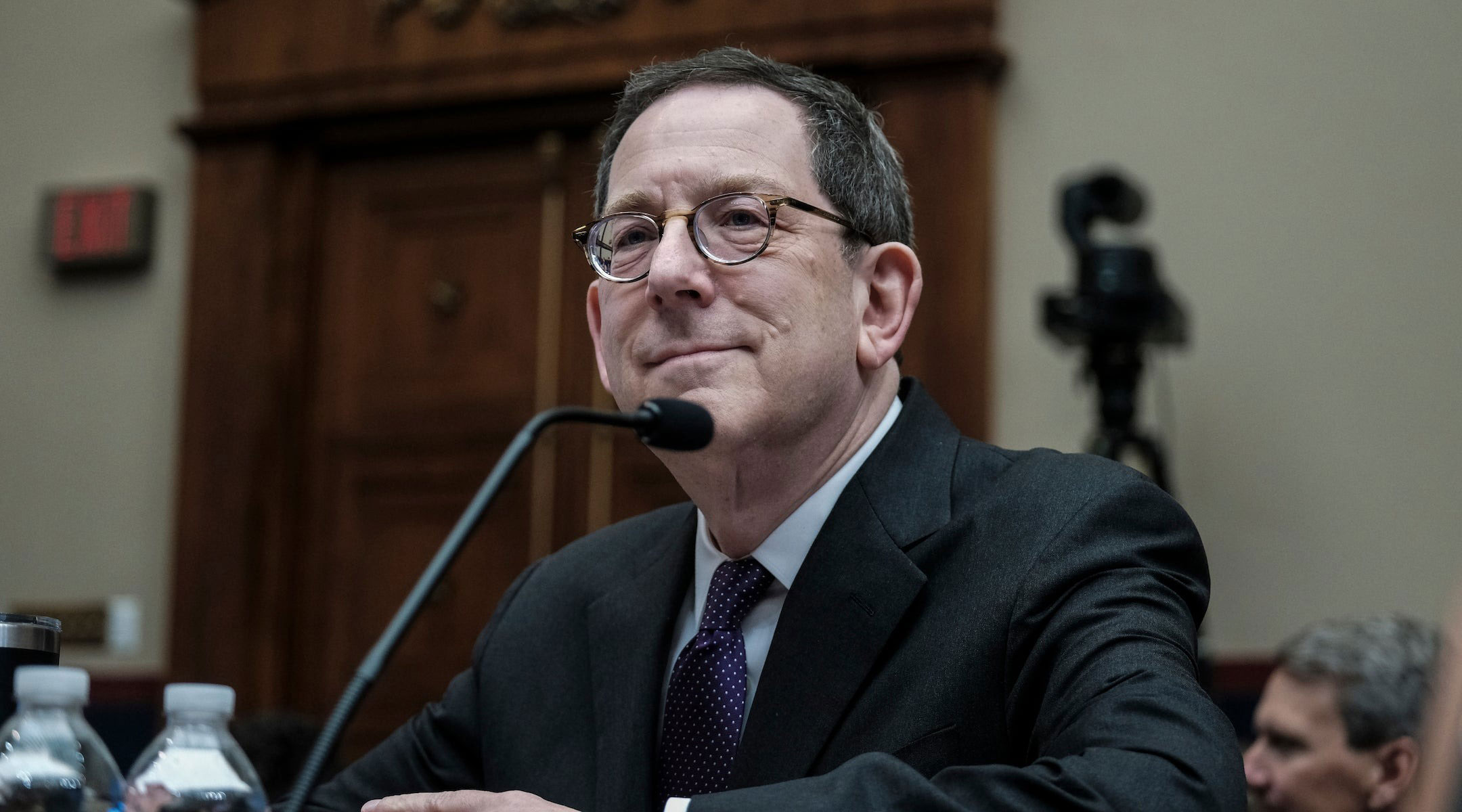
Michael Schill, President of Northwestern University, testifies at a hearing called “Calling for Accountability: Stopping Antisemitic College Chaos” before the House Committee on Education and the Workforce on Capitol Hill on May 23, 2024 in Washington, DC; university leaders are being asked to testify by House Republicans about how colleges have responded to pro-Palestinian protests and allegations of antisemitism on their campuses
(JTA) — After more than a year of strife over his handling of campus antisemitism, the Jewish president of Northwestern University says he is stepping down weeks before the start of the school’s fall semester.
Michael Schill’s resignation announcement Thursday comes after the Trump administration has frozen nearly $800 million in federal grants to the private Evanston, Illinois university, citing its handling of antisemitism during the Israel-Hamas war in Gaza.
“As I reflect on the progress we have made and what lies ahead, I believe now is the right time for new leadership to guide Northwestern into its next chapter,” Schill, who has led the university for three years, wrote in his announcement.
His resignation also comes the day after the school announced a newly endowed $20 million “Center for Enlightened Disagreement,” named after donors Jennifer and Alec Litowitz and intended to help bridge campus divides on contentious topics. Similar programs have been proposed or launched at other schools dealing with contentious post-Oct. 7 climates.
One of the center’s faculty directors, Eli Finkel, thanked Schill for his leadership in a university release announcing his resignation.
A free-speech legal scholar, Schill attracted controversy during the pro-Palestinian encampment movement last year when Northwestern became one of the first schools to enter direct negotiations with protesters. In exchange for dismantling the encampments, Schill told protest leaders the school would review its investment portfolio, fund positions for new Palestinian faculty and renovate a Muslim and North African student center, among other terms.
The deal was lambasted by many in the Jewish community. Jewish members of the school’s internal antisemitism committee resigned en masse from their posts, leading to the committee’s collapse. Organizations from the Anti-Defamation League to Jewish Federations of North America (both led by Northwestern alums) condemned the deal, with some more hard-line Jewish groups calling for Schill to resign; the ADL’s initial “campus antisemitism report card” gave Northwestern an “F.”
Schill forcefully defended his approach when called before Congress, sparring with Republicans and some Democrats over the best way to handle the protests.
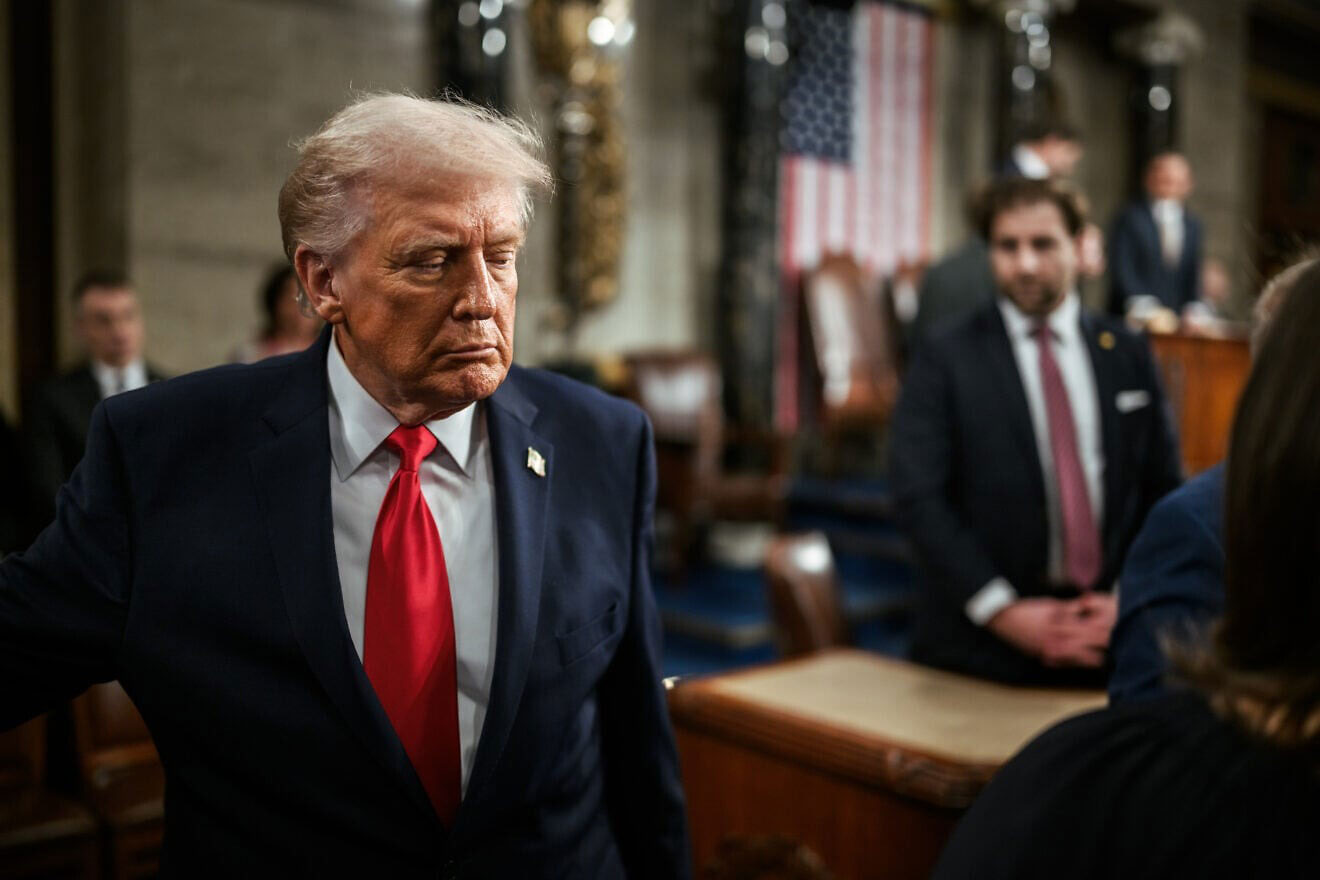
After Trump returned to office, Northwestern became one of his administration’s biggest campus targets. The president froze $790 million in grants to the school this spring, citing its failure to address antisemitism. The move was condemned by the American Jewish Committee and more than 100 Chicago-area rabbis. This summer, Northwestern announced hundreds of layoffs and other budget reductions.
Even after the encampment deal and funding freeze, some unrest continued at the school: During Passover last spring, several campus buildings were tagged with Hamas signs and messages including “Death to Israel.” Schill condemned the vandalism as antisemitic, and noted it took place hours after his own seder.
Schill’s tenure was marked by other concerns, as well, including a hazing scandal involving Northwestern’s football team. But his resignation makes him the latest in a line of university presidents to step down following appearances on a Congressional committee about antisemitism — a list that also includes former heads of Harvard, the University of Pennsylvania, Columbia and Rutgers.
The Chicago Jewish Alliance, an advocacy group, said Schill’s exit was a consequence of ignoring years of Jewish student concerns.
“The lesson is clear: when universities appease antisemitism instead of confronting it, they lose more than credibility. They lose trust. They lose funding. And, eventually, they lose their leaders,” the group wrote on social media. “The Jewish community is watching. We will not be silent.”