Courtesy of JNS. Photo credit: IDF
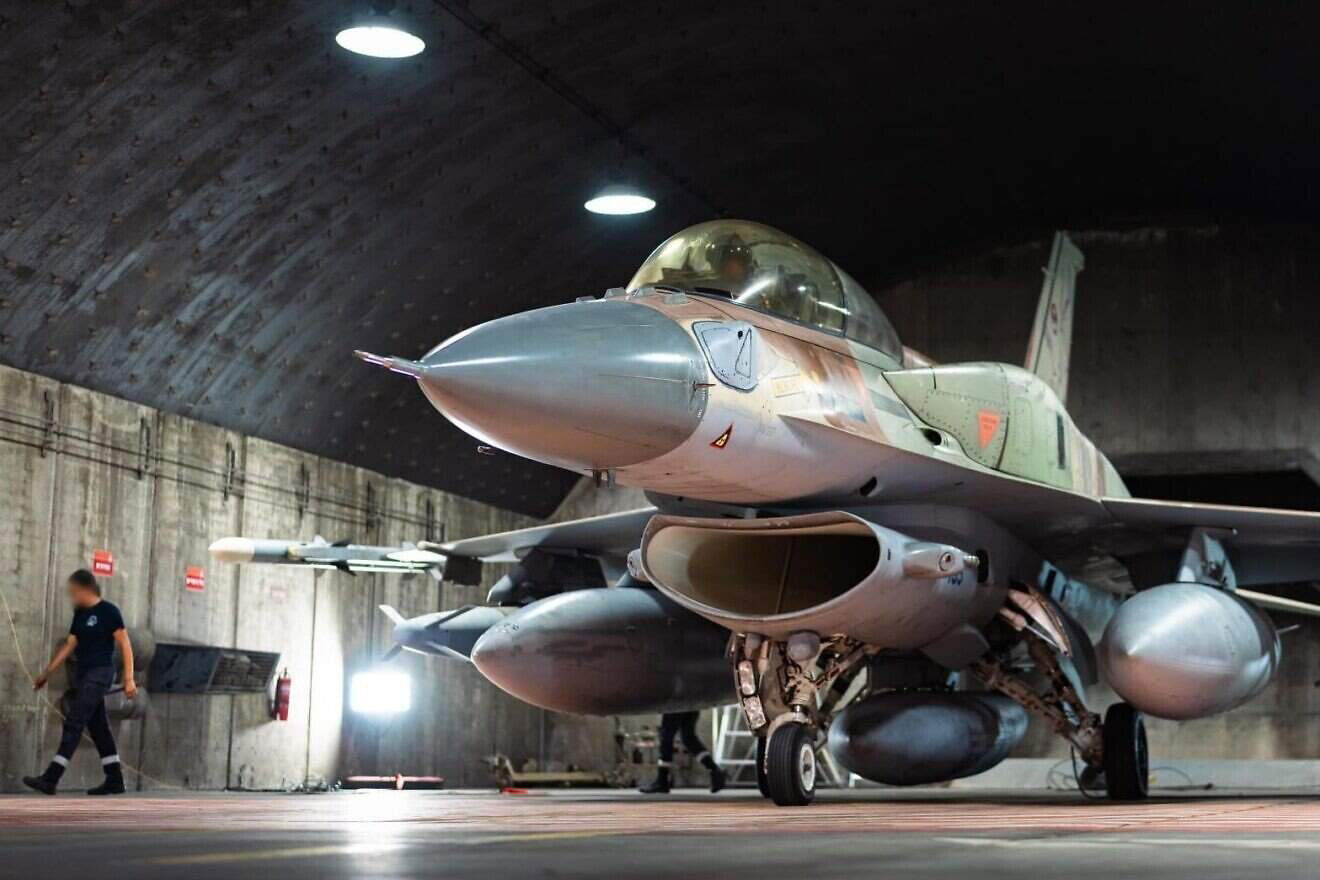
An Israeli Air Force fighter jet prepares to attack Houthi terrorist infrastructure in Yemen, July 7, 2025
Led by the IDF’s Northern Command, and based on intelligence from the Military Intelligence Directorate, the Air Force targeted terrorist infrastructure in the Beqaa Valley and in Southern Lebanon, the IDF Spokesperson’ Unit said in a statement.
In Southern Lebanon, the IDF struck a site from which rockets were launched, and in which Hezbollah terrorist activities were identified in recent months, the army said.
In Nabatieh, also in Southern Lebanon, several terrorist infrastructure sites were struck. Additionally, infrastructure within a strategic weapons production and storage site were struck in the Beqaa Valley.
The IDF stated: “Hezbollah continues to attempt rehabilitation of its terror assets across Lebanon. The presence of Hezbollah infrastructure and actions in these areas constitute a violation of the understanding between Israel and Lebanon. The IDF will continue to operate to remove any threat and protect the State of Israel.”
Reuters on Sunday, citing anonymous Lebanese sources, reported that Jerusalem was pressuring the Lebanese government to disarm Hezbollah in Southern Lebanon.
“Israel is pressing Lebanon’s army to be more aggressive in disarming … Hezbollah by searching private homes in the south for weaponry,” three security sources were quoted as saying.
The demand “has been rejected” by the Lebanese Armed Forces, the sources added. Lebanon fears that such a move could trigger civil unrest and derail its overall disarmament plan, according to Reuters.
“They’re demanding that we do house-to-house searches, and we won’t do that …, we aren’t going to do things their way. Residents of the south will see house raids as subservience to Israel,” one of the officials told the news agency.
Lebanon experienced a civil war from 1975 to 1990, which resulted in some 150,000 deaths and a million people emigrating. The country is known for its tribal tensions, with factions from different religious backgrounds pushing conflicting interests.
U.S. Special Envoy for Syria and Ambassador to Turkey Tom Barrack on Nov. 1 stressed the difficult situation that Israel’s northern neighbor faces.
Lebanon is a “failed state,” he said. “It has no central bank. The banking system is bust. Riad Salameh, the head of the central bank, has been indicted all across Europe. There are $60 billion missing from the Lebanese banking system. … The electric [company of Lebanon] is bust, it’s broke. If you want electricity, you need a private generator. You want water, you need private water. You want education, you need private education.
“So what is the state?” Barrack asked. “The state is Hezbollah. You go south, Hezbollah gives you water, it gives you an education, it gives you a stipend.”
Israel has ramped up its attacks on Lebanese soil in recent weeks, with U.S. officials such as Barrack warning that another round of fighting between Israel and the Iran-backed organization could take place soon if the Lebanese Armed Forces does not step up efforts to disarm terrorists in Southern Lebanon.