Photo Credit: Yvonne Keller
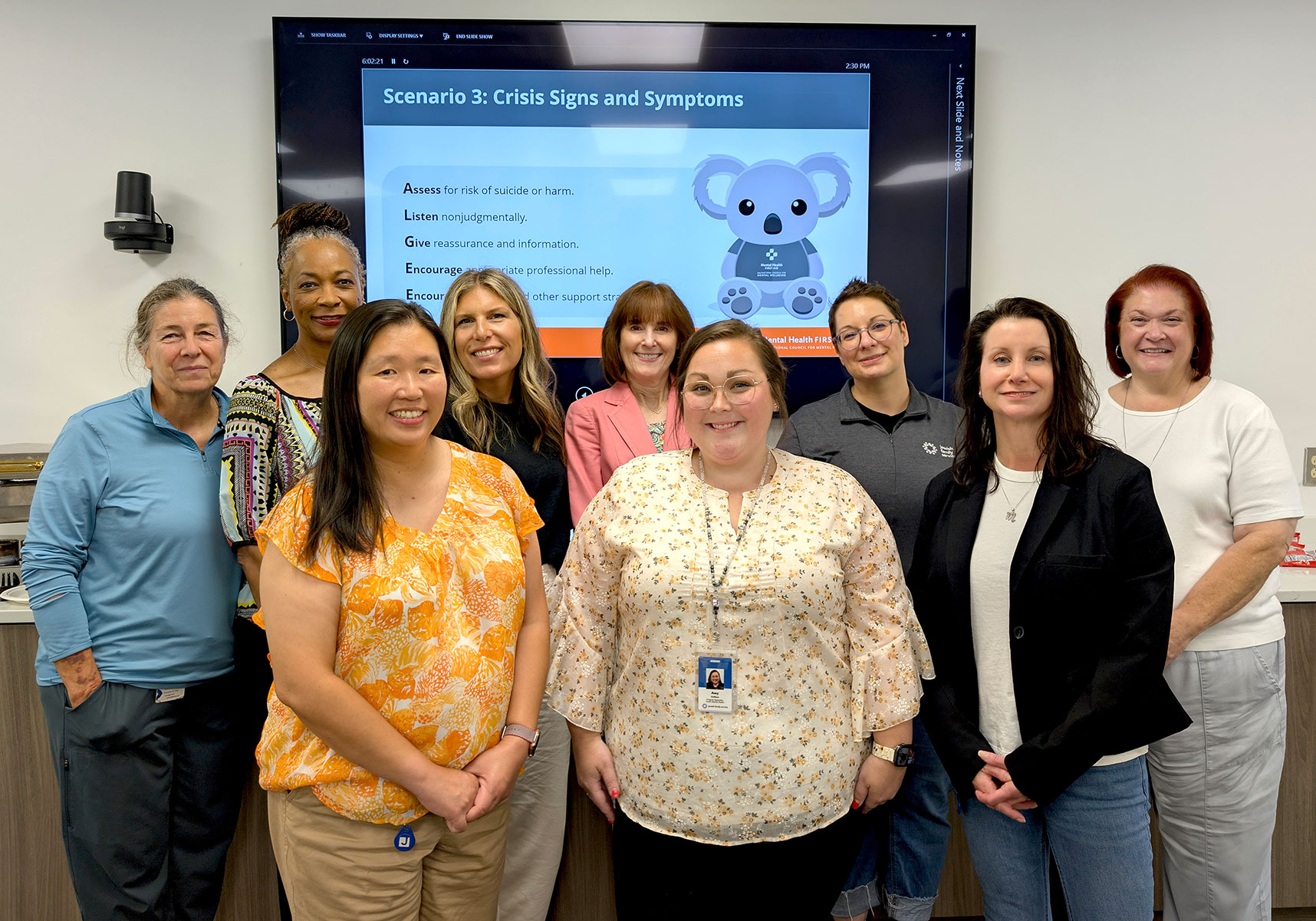
“Youth Mental Health First Aid is really about giving adults tools for how to listen and respond when a young person is having a hard time,” says Leah Marcus, who directs Youth Mental Health Services at Jewish Family Service
Submitted by Jewish Family Service
Talking with teens doesn’t have to be complicated, says Leah Marcus, Jewish Family Service’s Director of Youth Mental Health Services. “The Youth Mental Health First Aid class shows that you don’t need special lingo or to be a professional to help a young person who’s struggling. It’s really about being open, listening, and engaging in a supportive way. We’ve provided this training at least three times a year for the past three years, and it’s been very appreciated.”
“I wish I had known this when my kids were teens — it would have made me a better parent,” said Jan Evans, a participant in the most recent class, which Marcus taught.
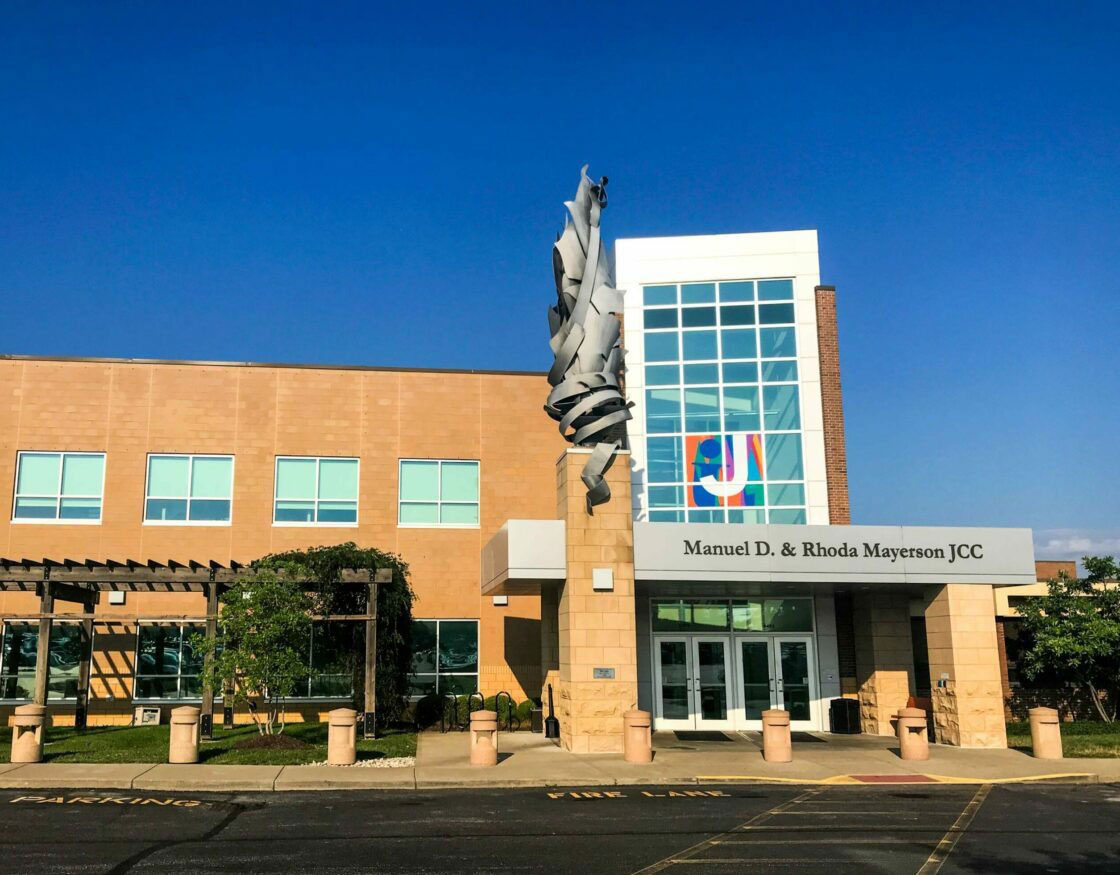
Evans was one of ten participants who benefited from Jewish Family Service’s commitment to teach adults about youth mental health. Marcus led the six-hour, in-person session at the Mayerson JCC for Jewish Federation of Cincinnati staff. The curriculum is taken from a national program, Mental Health First Aid, run by the National Council on Mental Wellbeing.
“I work with teens every day,” said another participant, Christine Katzman. “And not only did I learn from the class, I really think every single adult should take this class.”
Part of why the class is so universally helpful are the following nuggets:
– If you see something concerning, approach, then say “I’ve noticed that … (say, a change in teen’s behavior). Use positive not negative words.
– Listen nonjudgmentally despite being older. Don’t give advice.
– Give reassurance and information about how to get professional help.
– Maintain eye contact.
– Encourage self-help and other support strategies.
Over the course of the day, the class worked through role plays and scenarios. It addressed issues from the everyday to the most serious, from a minor mental health challenge to a psychotic break.
The class itself demonstrates how vitally important this work is. The need for both adult education and access to professional care for young people is clear in every slide and every story. The statistics about youth mental health presented were daunting: approximately one in five youth in the US will have a mental disorder that significantly impacts their life. A significant section was about teen and young adult suicide.
Asked what she considered most important about the class, Marcus said: “It opens a path to conversation for the adults who may feel stigma and the need for silence around mental health, which could mean they wouldn’t speak up if they notice something about a young person’s behavior. What I love best about this training is that it gives people specific strategies, permission even, to notice and respond to these very real, sometimes subtle, changes in a young person they care about and want to support.”
Jewish Family Service’s Youth Mental Health Services offers this class to Jewish organizations around Cincinnati.