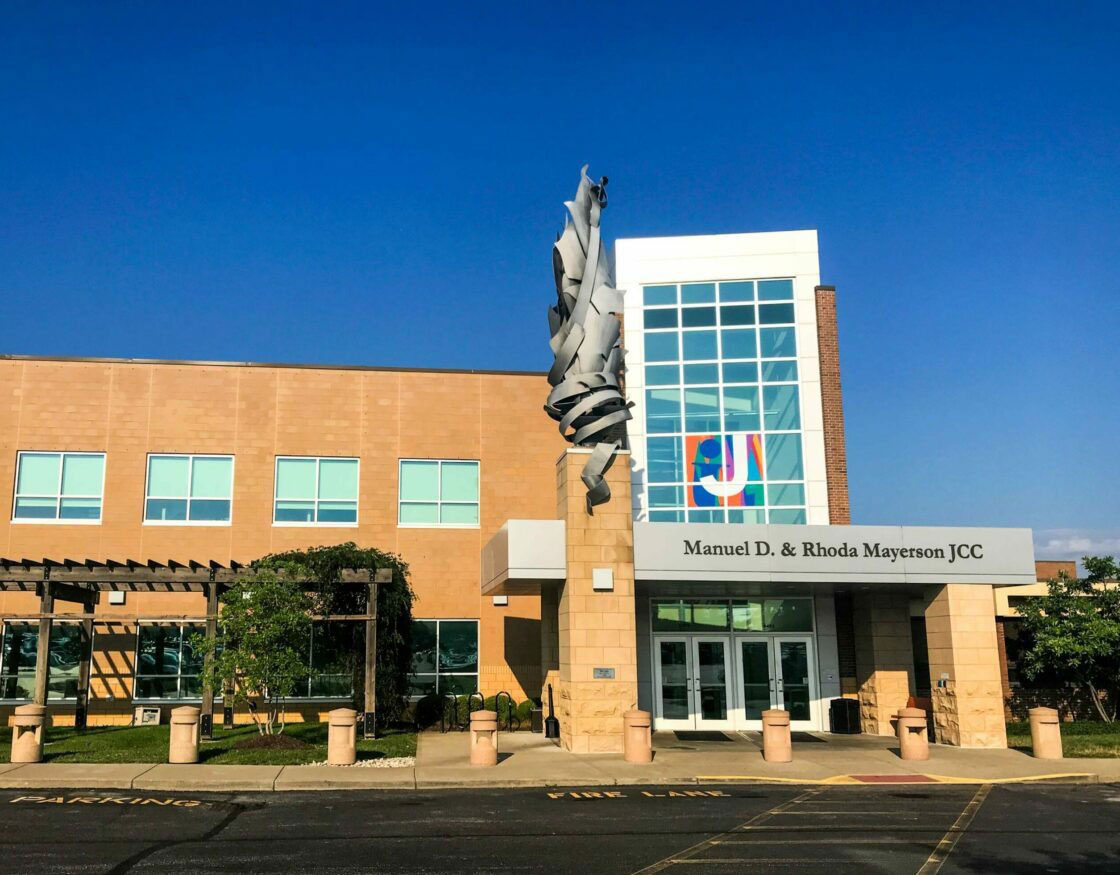

Photo credit: HUC website
Hebrew Union College Cincinnati
By David Woolpy
Assistant Editor
A court-approved agreement between the Ohio Attorney General’s Office and Hebrew Union College – Jewish Institute of Religion (HUC-JIR) establishes new oversight and reporting requirements for the management of the college’s rare book and manuscript collections, an issue that has developed over the last three years.
The settlement, filed October 3, 2025 in Hamilton County, resolves a lawsuit the Attorney General filed in June, 2025 seeking to prevent the potential sale of materials from Klau Library in Cincinnati. The agreement stipulates that the college must maintain transparency in handling its special collections and notify the state before transferring or selling any items.
The Klau Library collection consists of over 14,000 items in the Rare Book Room, some worth millions of dollars. These manuscripts and other items were given to the library in order for them to be preserved for use by people across the globe. Researchers depend upon access to such materials well into the future.
If sold to private collectors, the books would no longer be publicly available. Any sale could be a breach of the Hebrew Union board’s fiduciary responsibilities to the public.
HUC had expressed potential interest in selling some of the rare, historical and unique texts to address the college’s sizable dept. The Attorney General warned that doing so could be a breach of the Hebrew Union board’s responsibilities.
The order requires HUC to uphold a Collection Management Policy that aligns with American Library Association standards for collection oversight. The college must provide the Attorney General’s Charitable Law Section with a complete list of all items in its rare book collections, in addition to identifying donor-restricted materials.
Any sale of the collection requires 45 days’ notice to the Attorney General. Proceeds from any sale can only be used to purchase new materials for the library and cannot fund operations or capital projects unless the college declares “acute financial need,” approved by a two-thirds vote of its Board of Governors.
The agreement allows HUC to continue sharing books among its four libraries and to participate in interlibrary loans and partnerships.
Hebrew Union College must also preserve all records related to acquisitions, transfers and deaccessions for seven years. This ruling remains in effect for seven years, after which the court’s oversight expires.
Attorney General Dave Yost said the resolution ensures that the college’s Judaic collections remain safeguarded for public and scholarly benefit. “These sacred texts were entrusted to Hebrew Union with the promise that they would be preserved for the benefit of scholars and researchers worldwide,” Yost said in a statement.