Photo credit: David Woolpy
Honeybees and Rainbows perform at Impact Breakfast
By David Woolpy
Assistant Editor
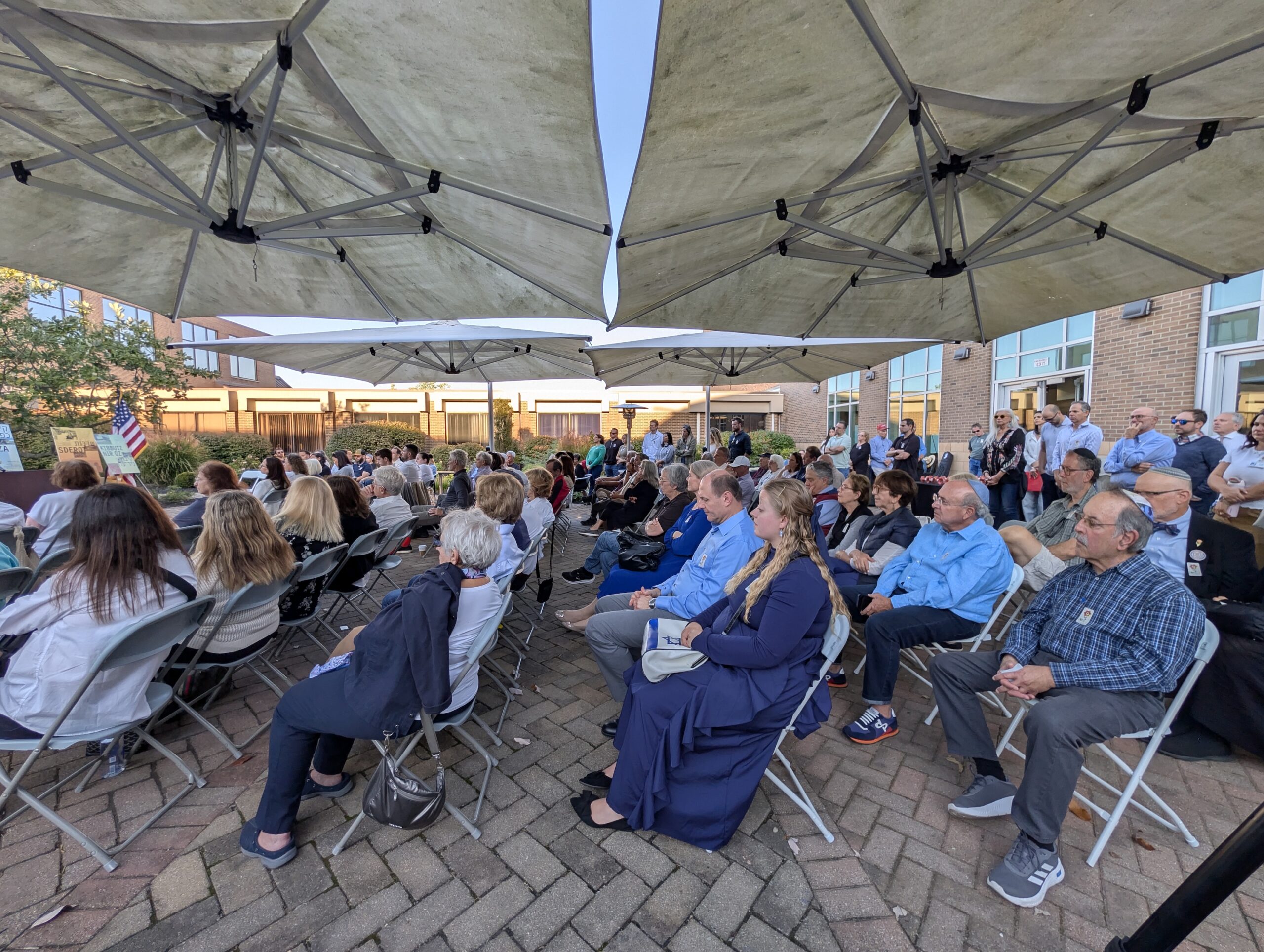
Jews from across Cincinnati gathered at the Mayerson JCC on the snowy morning of February 4th, shaking hands, embracing, greeting one another warmly at the annual Federation Impact Breakfast.
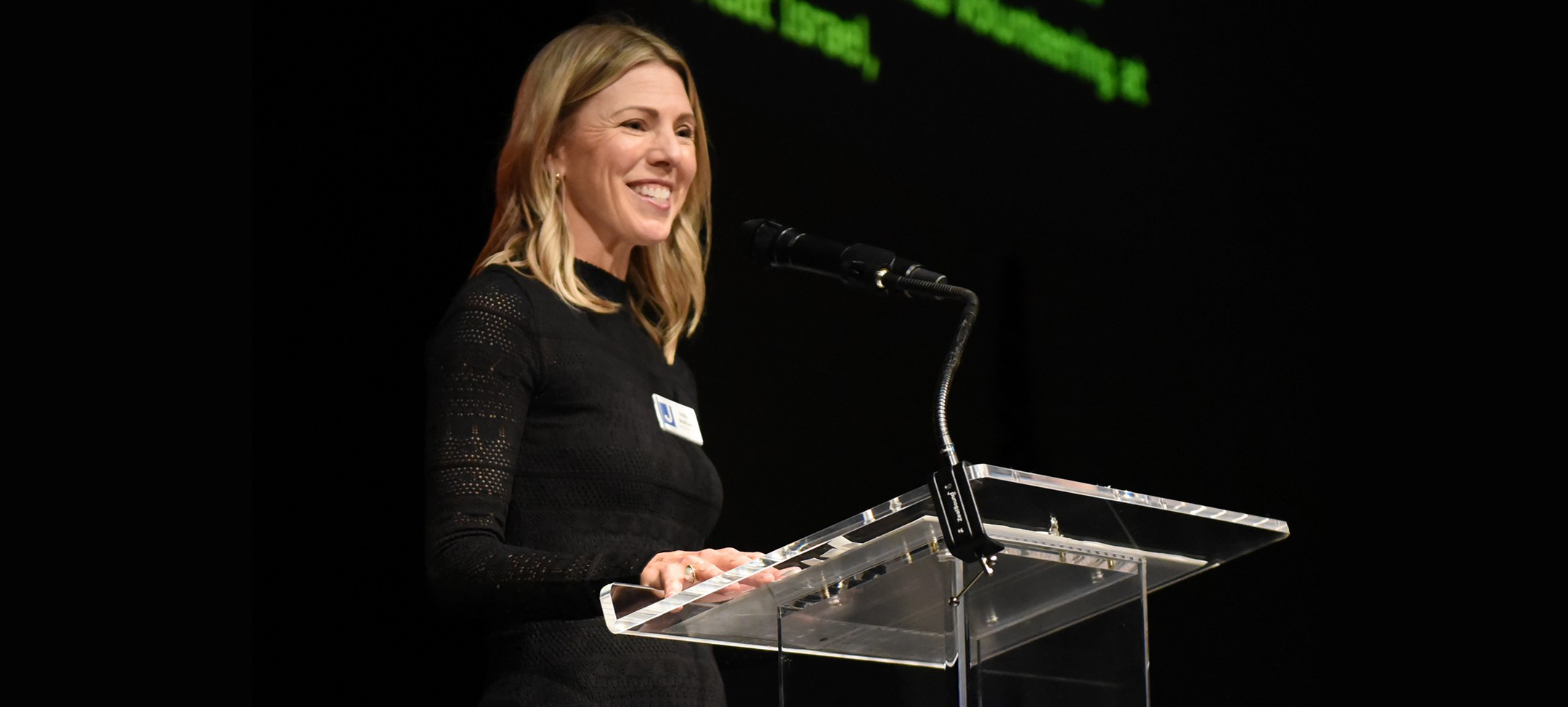
More than 200 community members attended the Jewish Federation’s signature event, which this year centered on a timely and resonant theme: Jewish Joy. While the morning included remarks from Federation leadership and campaign chairs, mostly thanking donors, sponsors and attendees, the event’s foundational centerpiece was the keynote address by nationally recognized rabbi, author and podcaster Rabbi Shira Stutman, whose message challenged the community to rethink what it means to live as a Jew in America today.
Rabbi Stutman began with an unexpectedly provocative assertion. “It is a great time to be Jewish in America,” she boldly proclaimed, acknowledging that for many, the statement initially feels jarring amid rising antisemitism, political polarization and events in Israel. Rather than dismissing those fears, she named them directly, describing the vigilance, exhaustion and fear that have marked the past year. But she insisted that this reality exists alongside another, quieter truth.
“We are actually living inside two truths at once,” she said. “There is fear, and there is fatigue of the “endless headlines.” There is even the question of how openly you embrace your Judaism, the rabbi stressed. But there is also abundance, vitality, and joy.”
Her first argument focused on the vibrancy of contemporary American Jewish life. Drawing on demographic data and communal trends, Rabbi Stutman described a Jewish community that is broader, more inclusive and racially diverse and more alive than ever before. She pointed to thriving interfaith families, growing numbers of Jews by choice and increasingly diverse Jewish identities as signs of strength rather than decline.
“We have proven that it is possible — and quite wonderful — to build thriving Jewish families and communities that fit the real contours of our actual lived lives,” she said. “Judaism in America is not perfect, it is not easy, but it is extraordinarily alive.”
Rabbi Stutman’s second argument expanded beyond the Jewish community itself. She suggested that Judaism offers tools that American society urgently needs, particularly in a time of social fragmentation. Central among them, she said, is the Jewish understanding of community — not as a concept, but as an action.
“Judaism doesn’t ask us to agree on everything,” she explained. “It asks us to show up. To sit at the same table. To bless, eat, sing, mourn and celebrate together.”
She illustrated this idea with a powerful story of a non-Jewish mother and child who were impoverished. They moved into a Jewish community out of desperation, and they were, in fact, taken in by the neighborhood simply because, as the mother believed, “the Jews take care of their own.” Years later the daughter, who was by then elderly, confessed to her friends that she was in truth not Jewish. For Rabbi Stutman, the story exemplified both the ethical obligation and moral pride embedded in Jewish communal life.
A third pillar of her message focused on meaning, which she described as a core Jewish offering in a culture often distracted by consumption and noise. Drawing on Jewish tradition, she emphasized practices — Shabbat, learning, acts of kindness and justice — that anchor people in purpose. The rabbi expressed this idea most simply and powerfully by emphasizing the importance of “showing up.”
Another way Rabbi Stutman expressed our need for community that can and is addressed through Judaism is family. The core of Jewish life, she explained, starts with a love of family, which sets the example for how we should interact with everyone.
“What gives us meaning is living lives dedicated to chesed, acts of love and kindness, acts of justice,” she said. “Judaism brings us back to center.”
Rabbi Stutman concluded by reminding attendees that vibrant Jewish life does not happen by accident. It requires organization, volunteer leadership and sustained philanthropy. Speaking personally, she described her own Federation support as one of the most meaningful commitments she makes each year.
“It supports an entire ecosystem,” she said, “not just in moments of crisis, but in ordinary time — in joyful time.”
At the close of her address, Rabbi Stutman asked the audience to vote on her opening premise. “If you think it’s a great time to be Jewish in America, raise your hand.” Nearly every hand in the room went up in agreement: it is, indeed, a great time to be Jewish in America.
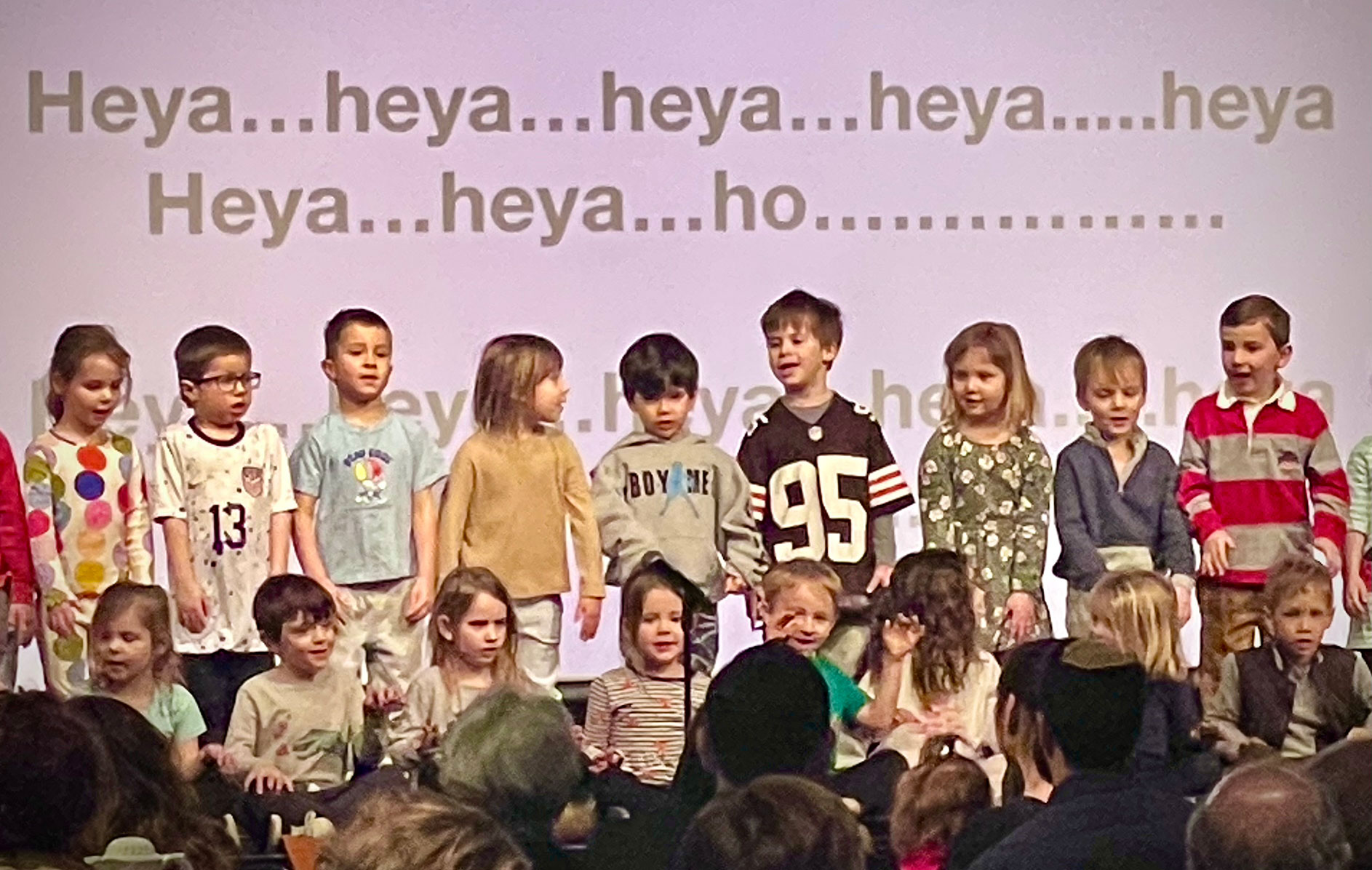
Like many well planned fundraising events where family and community are celebrated, the Impact Breakfast concluded with a captivating performance from the Honeybees and Rainbows from Mayerson JCC Early Childhood School. The children filed out onto the stage and closed the event with a rousing version of Adamah V’shamayim. Raised cell phones filled the view as attendees captured remembrances of the the well-suited charming finale.